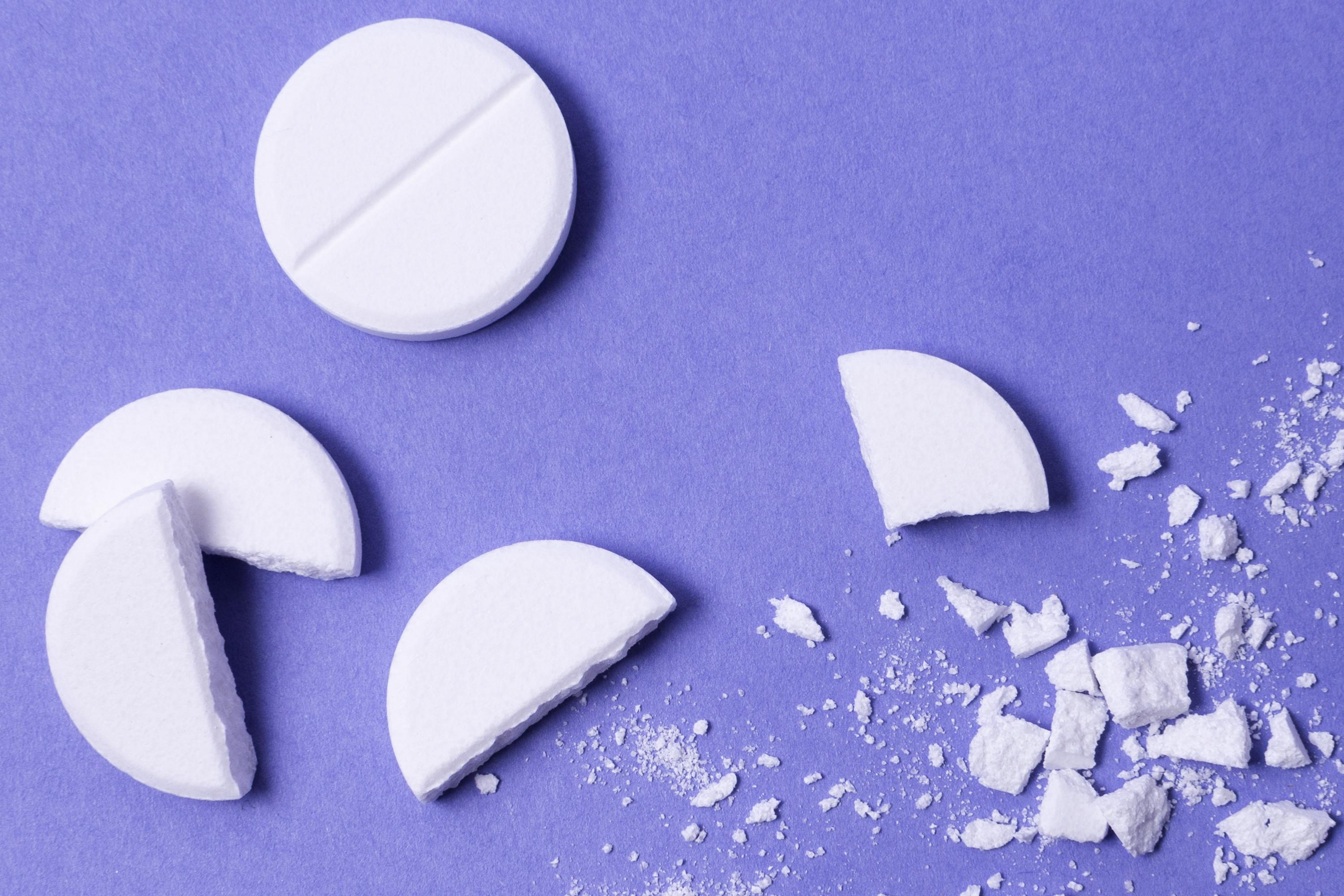
Medication administration is a critical part of patient care, and the method of administration can be just as important as the medication itself. Certain medications should never be crushed, split, or altered because doing so can change how they work and, in some cases, put both residents and healthcare staff at risk.
What Does "Do Not Crush" Mean?
"Do Not Crush" medications have special formulations designed to:
- Control how the medication is released (e.g., extended-release or delayed-release)
- Protect the stomach from irritation
- Protect the medication from being broken down by stomach acid
- Ensure proper absorption in the body
- Reduce exposure risks for hazardous medications identified on the NIOSH Hazardous Drug List
For example, extended-release medications are designed to release slowly over time. Crushing these medications can cause dose dumping, releasing the entire dose at once instead of gradually. This can increase the risk of side effects or toxicity.
Some medications must reach a specific part of the digestive tract—such as the intestine—to be absorbed properly. Crushing these medications may reduce or eliminate their effectiveness, leading to poor clinical outcomes.
Additionally, certain medications, including some antineoplastics and other hazardous drugs, can pose risks to caregivers if crushed. Altering these medications may create airborne particles or residue that can be inhaled or absorbed through the skin.
Best Practices for Safe Medication Administration
To help ensure medication safety:
- Always check the "Do Not Crush" list before altering any medication.
- Consult your pharmacy if a resident has difficulty swallowing.
- Request an alternative dosage form, such as a liquid, transdermal patch, or orally disintegrating tablet, when appropriate.
- Never assume a tablet is safe to crush.
- Wear appropriate personal protective equipment (PPE) when handling hazardous medications.
Staying Up to Date
Medication guidance and "Do Not Crush" recommendations are updated regularly. SpecialtyRx is developing an updated Do Not Crush List (hello pharmacist link) that can be posted in medication rooms or included in medication cart binders for easy reference. More to come soon!
Ongoing staff education and routine reminders are essential to promoting safe medication practices. Crushing medications when it is not appropriate can alter their effectiveness, increase the risk of adverse events, and create safety hazards for both residents and healthcare professionals.
Consistently using the most up-to-date Do Not Crush List and partnering with your SpecialtyRx pharmacy team are key steps in ensuring safe, effective, and compliant medication administration.