Early preparation and prompt influenza vaccination help protect residents, reduce outbreaks, and support a safer healthcare environment throughout the flu season. Facilities should ensure vaccine ordering, consent collection, staff education, and VIS distribution are in place before vaccine shipments arrive.
Early preparation and prompt influenza vaccination help protect residents, reduce outbreaks, and support a safer healthcare environment throughout the flu season. Facilities should ensure vaccine ordering, consent collection, staff education, and VIS distribution are in place before vaccine shipments arrive.
Read More
As influenza season approaches, facilities should begin planning for resident and staff vaccination programs. Specialty Rx has provided updated influenza vaccine ordering information, vaccine coding references, consent forms, and Vaccine Information Statements (VIS) for the 2026-2027 season. Vaccination remains one of the most effective ways to reduce influenza-related illness, hospitalizations, and complications among long-term care residents.
Why Vaccinate?
Residents of skilled nursing and long-term care facilities are at increased risk for severe influenza complications due to advanced age, chronic medical conditions, and congregate living environments. Annual vaccination helps:
Reduce flu-related hospitalizations
Decrease transmission within facilities
Protect vulnerable residents and healthcare workers
Support infection prevention and quality improvement initiatives
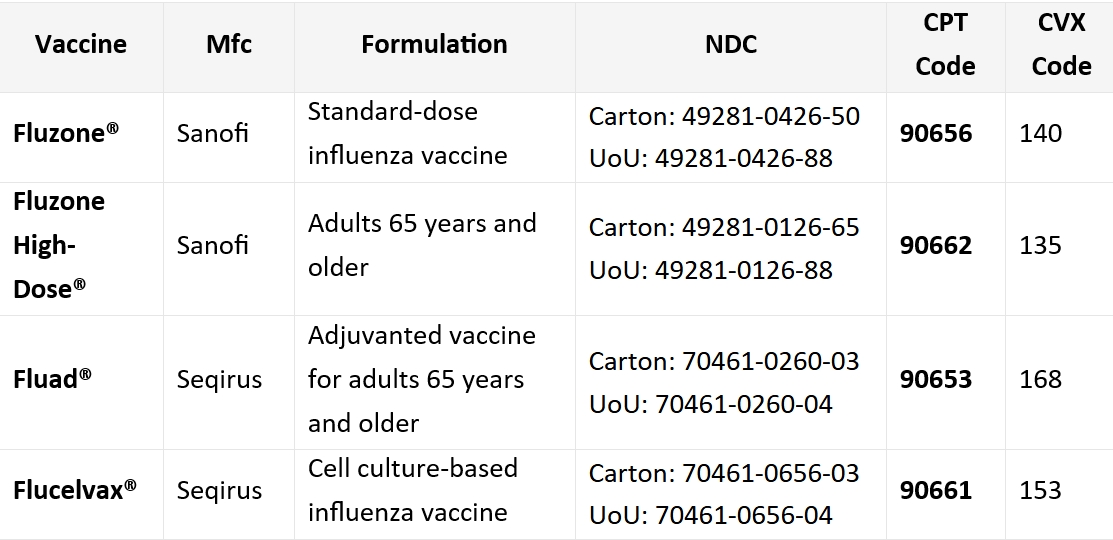
Available Flu Vaccines for 2026-27 with billing details:
How can your nursing team prepare for the season:
✅ Begin vaccination planning early
✅ Provide residents and families with the current Influenza Vaccine Information Statement (VIS) prior to vaccination, using the CDC VIS Library or Immunize.org VIS Repository as appropriate
✅ Verify informed consent documentation
✅ Assess residents before vaccination for severe allergic reactions to vaccine components, prior Guillain-Barré Syndrome (GBS), acute febrile illness, and current immunosuppressive therapy
✅ Follow current guidance for residents with egg allergy: any age-appropriate influenza vaccine may be administered, and additional safety measures are not recommended solely because of egg allergy
✅ Track vaccine lot numbers and expiration dates
✅ Vaccinate staff to reduce facility transmission
✅ Monitor and report adverse events according to facility policy and VAERS guidance
Key Takeaway
Early preparation and prompt influenza vaccination help protect residents, reduce outbreaks, and support a safer healthcare environment throughout the flu season. Facilities should ensure vaccine ordering, consent collection, staff education, and VIS distribution are in place before vaccine shipments arrive.
Early preparation and prompt influenza vaccination help protect residents, reduce outbreaks, and support a safer healthcare environment throughout the flu season. Facilities should ensure vaccine ordering, consent collection, staff education, and VIS distribution are in place before vaccine shipments arrive.
SpecialtyRx Founder Joel Zupnick on Long-Term Care Drug Access
SpecialtyRx Founder Joel Zupnick discusses why medication access in long-term care depends on more than drug prices in Life Science Daily News.
February 2026
Regulatory Readiness in 2026
The new year is an ideal time to confirm regulatory readiness and strengthen compliance processes. Download this quick checklist to ensure your facility is prepared for 2026 and beyond.
November 2025
Diabetes Management in Long-Term and Assisted Living Settings
Effective diabetes management in long-term care and assisted living settings is critically important due to its high prevalence and the ongoing vigilance required for successful control. A thorough understanding of the associated challenges and risks is essential, as both can be significant.