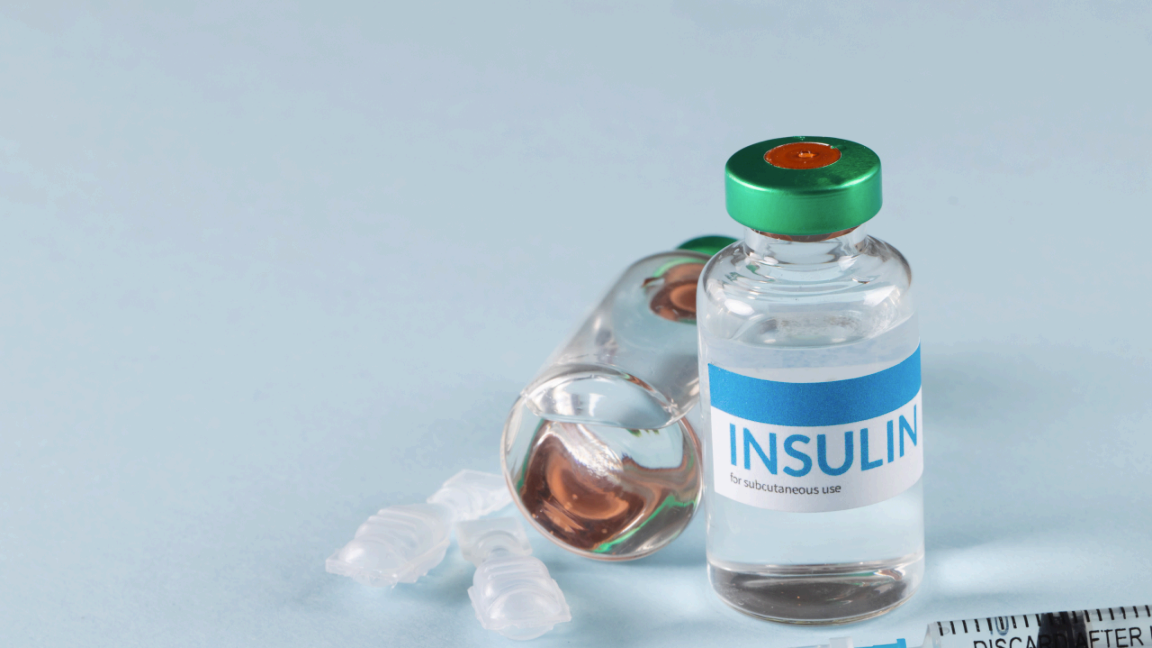
While there are many categories of medications used to manage diabetes, insulin is often among the most effective. However, it also carries the greatest risk—particularly the risk ofhypoglycemia.
A team-based approach involving all members of the healthcare team—nurses, prescribers,and pharmacists—is key to ensuring safety and success. Collaboration on protocols, safetymeasures, and education is especially important when managing insulin therapy. Education on the different types of insulin (including onset, duration of action, and peak time) cangreatly improve safety. Understanding which insulins are interchangeable is also vital.
Maintaining an insulin and conversion chart provides nurses and prescribers with a quickreference tool containing essential information and recommendations, supporting safe andeffective patient care.
Recommended topics for staff education and training on insulin include:
- Differences between insulin types and whether they should be administered with meals
- Proper priming and administration techniques for insulin pens
- Recognition and management of hypoglycemia symptoms
Earlier this year, the American Diabetes Association (ADA) updated its Standards of Care torecommend continuous glucose monitoring (CGM) for all individuals with diabetes to improveglycemic control and overall patient care. Although access to CGM devices can bechallenging, it is strongly recommended—particularly for individuals on insulin and long-termcare residents—to enhance safety, improve glucose management, and reduce the need forfrequent finger sticks, thereby improving quality of life.
To support this effort, SpecialtyRx has developed a quick reference guide that categorizesdifferent insulin types, provides cost ranges, and includes key notes for each. The goal issimple: to promote teamwork and achieve the best possible patient care and outcomes.